
Home Learning, Big Dreams: 15 Motivational Quotes for Homeschool Kids
Homeschooling is a unique journey, full of adventure and discovery right in your own home. Sometimes, though, you just need a little boost to keep the momentum going. Whether you're a parent guiding the way or a student exploring new ideas, finding the right words can make all the difference. We've gathered some of the best motivational quotes for homeschoolers to inspire your learning adventure and remind you why this path is so special.
Key Takeaways
- Homeschooling offers a flexible and personalized approach to education.
- Curiosity is a powerful driver for learning outside traditional settings.
- The home environment can be a rich and expansive classroom.
- Focusing on individual potential and growth is a hallmark of home education.
- Learning is an ongoing adventure, not confined by walls.
- Building dreams and fostering a love for learning are central to homeschooling.
- Connection and shared experiences are more important than competition.
- Every day presents opportunities for new discoveries and learning.
1. Embrace The Adventure
Homeschooling isn't just about textbooks and schedules; it's about embracing a grand adventure! Think of each day as a new trail to explore, a new skill to master, or a new idea to chase down. The world is brimming with opportunities to learn, and your home is the perfect launchpad. Don't be afraid to wander off the beaten path or get a little lost sometimes – that's often where the most exciting discoveries happen. It’s about building a life of learning, not just completing assignments. Remember that your unique path is a strength, not a weakness. Embrace the freedom to learn in ways that truly spark your interest and make the journey your own. This approach can lead to some amazing insights, much like how understanding the natural world can be incredibly rewarding understanding the natural world.
Here are a few ways to make sure you're embracing the adventure:
- Be open to the unexpected: Some of the best learning moments come when you least expect them. A rainy day can become a science experiment, or a simple walk can turn into a history lesson.
- Follow your curiosity: If something catches your eye, dive in! Don't worry if it's not on the official 'to-do' list. Curiosity is your compass.
- Celebrate small wins: Did you finally figure out that tricky math problem? Or maybe you learned a new word? Acknowledge and celebrate these moments. They add up!
Learning is a journey, not a race. Enjoy the process, the exploration, and the growth that comes with every step. It's okay to take detours; sometimes they lead to the most beautiful destinations.
2. Cultivating Curiosity
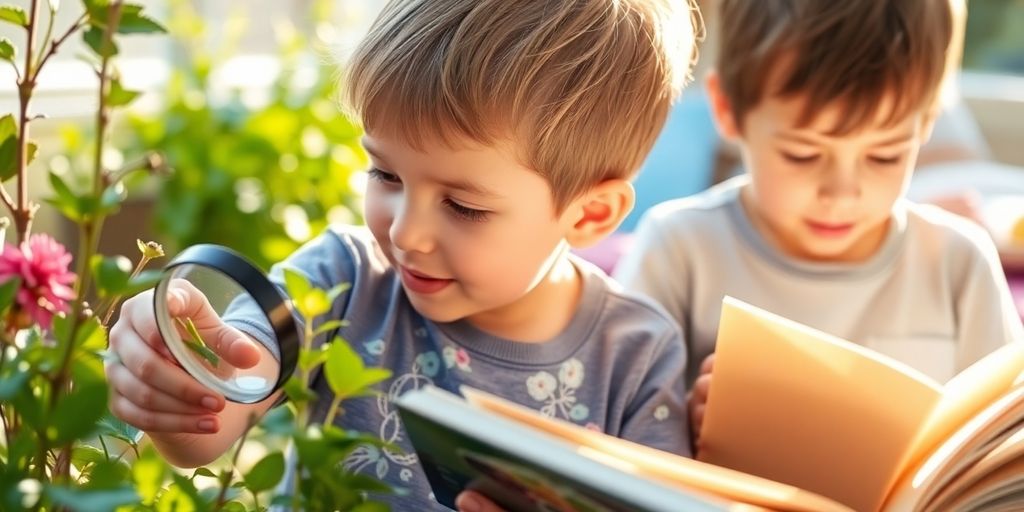
It's amazing how much kids will learn when they're genuinely interested in something. Instead of just pushing through a curriculum, try to tap into what sparks their imagination. Think about what they're already talking about, what they're drawn to in books or on TV. That's your golden ticket to making learning exciting.
When we focus on nurturing that natural curiosity, we're not just teaching facts; we're teaching them how to learn. It’s about encouraging them to ask 'why?' and 'how?' and then helping them find the answers together. This approach makes learning feel less like a chore and more like an adventure.
Here are a few ways to keep that curiosity alive:
- Ask open-ended questions: Instead of "Did you like the book?", try "What did you think about the main character's decision?".
- Follow their lead: If they're suddenly obsessed with dinosaurs, lean into it! Find books, documentaries, or even visit a museum.
- Embrace mistakes: See errors not as failures, but as opportunities to learn and try again. It's okay not to know everything right away.
Remember, the goal is to build a lifelong love of learning, not just to get through the next test. By encouraging their questions and interests, you're helping them become independent thinkers who are excited about discovering the world around them. It’s about helping them develop a passion for learning, which means they will never stop growing. You can find some great ideas for tailoring education to your child's unique learning style here.
3. Learning Is An Adventure
Think of homeschooling not just as a different way to do school, but as a grand adventure! It’s about exploring the world around you, not just the pages in a book. Every day can be a chance to discover something new, whether it's a hidden park, a fascinating historical fact, or a new skill. Embrace the unexpected detours and the spontaneous learning moments. They often lead to the most memorable and impactful lessons.
The World Is Our Classroom
Forget the four walls! Your home, your neighborhood, and even your grocery store can become learning spaces. Visiting a local farm, exploring a museum, or even just observing the clouds can teach you so much. It’s about seeing the learning opportunities everywhere you go.
Every Day Is A Field Trip
Why wait for a special occasion? Turn everyday outings into exciting expeditions. A trip to the library isn't just about books; it's about understanding how information is organized. A walk in the woods can teach you about ecosystems and plant life. Make every outing a chance to learn something new.
Explore, Discover, Grow
This journey is all about exploration. Encourage your kids to follow their interests, ask questions, and seek out answers. It’s through this active discovery that true learning happens. Don't be afraid to get a little messy or try something that seems challenging; that's where the real growth occurs. Remember, the goal is to nurture a lifelong love of learning, and that starts with making it an exciting adventure. You can find some great resources to help inspire your homeschooling journey at this resource.
Learning Without Limits
Homeschooling breaks down the traditional barriers to education. There are no set schedules dictating when or how you learn. This freedom allows for a more personalized and engaging experience, tailored to each child's unique pace and style. It’s about creating a learning environment that’s as boundless as their imagination.
4. Education Beyond Walls
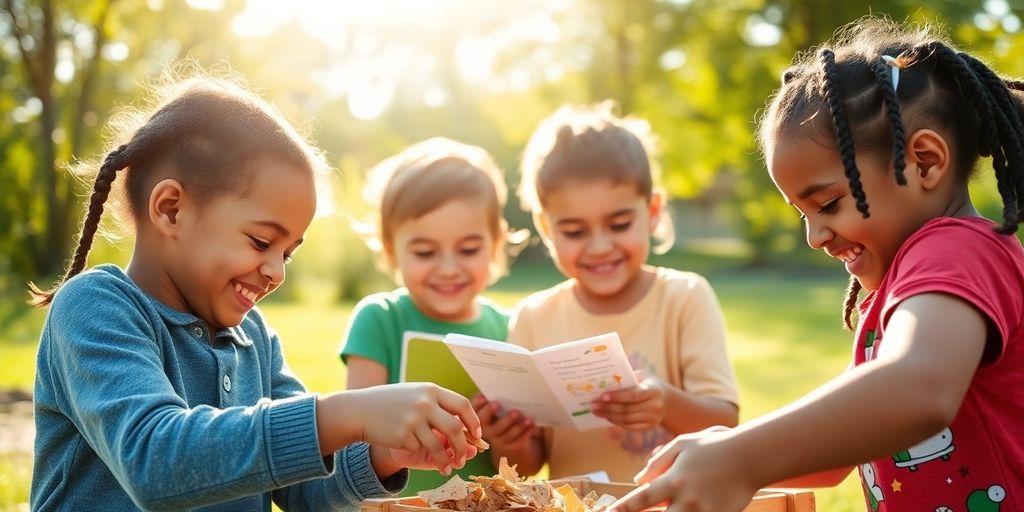
Sometimes, the most profound learning doesn't happen within four walls. It happens when you step outside, look around, and realize the whole world is a classroom. Think about it: a trip to the grocery store can be a lesson in economics and budgeting. Visiting a local park might spark conversations about biology and ecosystems. Even a simple walk around the block can teach you about your community, local history, or the way things are built.
The beauty of homeschooling is that it breaks down those traditional barriers. You're not confined to a specific curriculum or schedule dictated by an institution. Instead, you have the freedom to explore subjects in real-world contexts. This approach makes learning more relevant and memorable. It's about connecting what you're learning from books or online resources to the actual world around you.
Here are a few ways to make the most of learning beyond the home:
- Visit local museums and historical sites: These places are treasure troves of information and offer a tangible connection to the past.
- Engage with your community: Volunteer, attend local events, or interview people with interesting jobs. You'll gain practical skills and insights.
- Explore nature: Whether it's a backyard garden or a national park, nature is a fantastic teacher for science and observation.
- Utilize public libraries: Beyond books, libraries often offer workshops, lectures, and access to resources you might not find elsewhere.
Learning isn't just about absorbing facts; it's about experiencing them. When education extends beyond the typical classroom, it becomes a dynamic, living thing. This way of learning helps kids see how knowledge applies to everyday life, making them more engaged and curious about everything they encounter. It's about building a broader understanding of the world and their place in it.
Remember, every outing, every conversation, and every new experience is an opportunity for growth. It’s about embracing the idea that learning can happen anywhere, anytime, and with anyone. This approach helps foster a sense of independence and a genuine love for discovery, preparing kids for a lifetime of learning and exploration. You can find great resources for social experiences that extend beyond traditional peer groups at homeschooling social experiences.
5. The World Is Our Classroom
Forget stuffy classrooms and rigid schedules! When you homeschool, the entire world opens up as your learning space. Think about it: every park bench can be a reading nook, every grocery trip a lesson in budgeting, and every conversation a chance to learn something new. The world is our classroom, and life itself is the ultimate teacher. It’s about embracing those spontaneous teachable moments, whether you’re watching a documentary about ancient Rome or simply observing ants marching across the sidewalk. This approach really helps kids see how subjects connect to real life, making learning way more interesting than just memorizing facts from a book. It’s about experiencing things firsthand and letting curiosity guide the way. We can explore local history by visiting landmarks, understand ecosystems by hiking in a forest, or learn about different cultures by trying new foods. It’s a much richer way to learn, don't you think? It’s about making learning an adventure that happens everywhere, all the time. This is a core idea in the philosophy of Charlotte Mason, who believed in a broad curriculum and learning from living ideas.
Beyond Four Walls
Experiencing the World Firsthand
Learning Through Everyday Life
6. Curiosity-Led Learning
When we let our kids lead the way with their questions and interests, amazing things happen. It’s like giving them a map and letting them choose the destination. Instead of following a rigid schedule, we follow their curiosity. This approach means learning isn't just about memorizing facts; it's about exploring what genuinely sparks their interest. Think about it: when a child is fascinated by dinosaurs, they might naturally start reading about ancient history, geology, and even paleontology. It’s a natural progression that feels more like an adventure than a chore.
This way, learning becomes a personal quest, not just a task.
We've found that encouraging this kind of learning has really opened up new avenues for our family. It’s less about checking off boxes and more about discovering passions. We try to provide resources and opportunities, but ultimately, we let their natural inquisitiveness guide the process. It’s a beautiful thing to witness.
Here’s how we try to make curiosity the main driver:
- Follow the 'Why?': When a question pops up, we don't just give a quick answer. We explore it together, looking for more information and asking more questions.
- Provide a Rich Environment: Having books, art supplies, nature items, and access to different experiences available really fuels their interests.
- Embrace Detours: Sometimes a rabbit hole leads to something unexpected but incredibly valuable. We try not to steer them back too quickly if they're deeply engaged.
It’s about creating a space where asking questions is celebrated and exploration is encouraged. We’ve seen how this can lead to a deeper connection with the material and a genuine love for learning. It’s a fantastic way to make the most of project-based learning opportunities, turning everyday interests into in-depth studies. You can find some great ideas for this kind of learning at project-based learning resources.
Learning driven by curiosity feels different. It’s more organic, more exciting, and honestly, more effective for long-term understanding. It’s about nurturing that innate desire to know and discover.
7. Nurture Their Potential
Every child has a unique spark, and our job as homeschooling parents is to help that spark grow into a bright flame. It’s not about pushing them to be someone they're not, but about giving them the space and encouragement to discover who they are meant to be. Think of it like tending a garden; you provide the right soil, water, and sunlight, and let nature do its amazing work. We're here to nurture their potential, not to dictate their path.
It’s easy to get caught up in comparing our kids to others, or even to some idealized version of what they should be. But really, each child is on their own timeline. Some might be early bloomers in math, while others shine in creative arts. That’s perfectly okay! Our role is to celebrate their individual strengths and help them work through their challenges with patience and understanding. It’s about building their confidence from the inside out.
Focus on progress, not perfection. That’s a good motto for all of us, right? We want our kids to feel good about trying new things, even if they don’t get it right the first time. Mistakes are just stepping stones on the way to learning.
Here’s how we can help nurture their potential:
- Provide a rich environment: Fill your home with books, art supplies, and opportunities for exploration. Think about creating spaces that invite curiosity and creativity.
- Be a supportive guide: Listen more than you talk. Ask open-ended questions that encourage them to think for themselves.
- Celebrate effort and resilience: Praise their hard work and how they bounce back from difficulties, not just the final outcome.
- Encourage self-discovery: Let them pursue their interests, even if they seem a bit unusual. These passions often lead to unexpected talents.
Remember, the goal isn't to mold them into a specific shape, but to help them grow into the fullest version of themselves. It’s about helping them discover their own unique gifts and how they can share them with the world. This journey is about helping make it possible for children to reach maturity with healthy, curious, fully conscious minds. Homeschooling is about helping.
Let's trust our kids and trust ourselves. We've got this!
8. Small Steps, Big Dreams
It's easy to get caught up in the grand vision of what our kids will achieve, but sometimes the most powerful progress happens in tiny increments. Think about building a huge Lego castle – you don't just snap the whole thing together at once, right? It's one brick, then another, then another. The same goes for learning and growing. Every small step forward is a victory. We often focus on the big milestones, but it's the daily, consistent effort that truly builds momentum. Celebrate those little wins, like finally understanding a tricky math concept or finishing a chapter in a book. These moments, though small, are the building blocks for those massive dreams. It’s about nurturing that consistent effort, day in and day out. Remember, even the longest journeys begin with a single step, and those steps, taken consistently, lead to amazing places. It’s about building confidence with each little success, creating a foundation for future achievements. This approach helps kids see that they are capable of great things, one small accomplishment at a time. It’s a marathon, not a sprint, and every little bit of progress counts towards the bigger picture. We want our kids to know that their efforts, no matter how small they seem, are significant and contribute to their overall growth and eventual success. It’s about fostering a mindset where consistent effort is valued, leading to the realization of big dreams.
9. Building Dreams At Home
Building dreams at home isn't just about academics; it's about creating a space where imagination can really take flight. Think of your home as a launchpad for all sorts of amazing ideas and future adventures. It’s about nurturing those big aspirations your kids have, the ones that might seem a little out there but are totally achievable with the right support.
We're not just ticking off subjects here. We're helping them discover what makes their heart beat faster, what sparks that fire inside. It’s about giving them the tools and the confidence to chase those passions, whether it’s building robots, writing stories, or exploring the stars. Every day is a chance to lay another brick in the foundation of their future.
Here are a few ways to help build those big dreams right where you are:
- Encourage 'What If' Thinking: Ask open-ended questions that don't have a single right answer. "What if we could fly?" "What if animals could talk?" This gets their creative juices flowing.
- Provide Resources: It doesn't have to be fancy. A good library card, some art supplies, or even just access to documentaries can open up whole new worlds.
- Celebrate Effort, Not Just Results: Did they try something new and it didn't quite work out? That’s fantastic! Talk about what they learned from the process.
- Connect Learning to Their Interests: If they love dinosaurs, find ways to explore math through counting fossils or science through paleontology.
Remember, the most important thing is to create an environment where they feel safe to explore, to fail, and to try again. That's where real growth happens.
It’s amazing what can happen when kids feel truly supported in pursuing what they love. We're not just teaching them; we're helping them build the life they envision, starting right here, right now. It’s a pretty incredible journey to be on together, and it all starts with a little faith and a lot of love, like seeking God's wisdom for your homeschool year.
10. Love, Teach, Repeat
Homeschooling often boils down to the simple, powerful rhythm of love, teaching, and then doing it all over again. It’s about showing up, day after day, with patience and a willingness to learn alongside your kids. This journey is built on connection, not just curriculum. Think of it like tending a garden; you water, you weed, you watch it grow, and you keep showing up because you love what you're cultivating.
It's easy to get caught up in lesson plans and schedules, but sometimes the most profound learning happens in the quiet moments. It’s in the shared laughter over a silly mistake, the focused silence as a child works through a tricky problem, or the excited chatter about a new discovery. These are the moments that truly shape a child's educational experience.
Here’s a little reminder of what makes this approach so special:
- Patience is key: Kids learn at their own pace. Your consistent presence and encouragement make all the difference.
- Flexibility wins: Life happens! Be ready to pivot your plans when a spontaneous learning opportunity pops up.
- Celebrate effort: Praise the process, not just the outcome. This builds resilience and a love for trying.
Remember, the most important lessons aren't always found in textbooks. They're woven into the fabric of your daily life, and that's where the real magic of homeschooling happens. It’s about nurturing their hearts and minds, one day at a time, and building a strong foundation of love for learning that will last a lifetime. This approach really emphasizes the connections made between parent and child, recognizing you as their first and best teacher. Learning extends beyond formal lesson plans, happening organically in everyday life, which is a beautiful thing to witness.
The heart of a homeschool mom is a classroom where patience and perseverance are always in session. It's not about perfection, but about connection, discovery, and nurturing curious minds.
11. Every Day Is A Field Trip
Forget stuffy classrooms and rigid schedules! When you homeschool, the entire world becomes your learning playground. Think of it: every park visit, every trip to the grocery store, even a simple walk around the block can be a fantastic learning opportunity.
Every single day is a chance to explore something new. It's about embracing the unexpected and turning everyday moments into teachable ones. You don't need a special field trip permission slip to learn about nature; just head outside!
Here are a few ideas to get you started:
- Nature Walks: Collect leaves, identify birds, or study insects. It's a living science lesson!
- Kitchen Chemistry: Baking or cooking involves measuring, following instructions, and understanding reactions – all great science and math practice.
- Community Exploration: Visit local libraries, museums, or even the post office to learn about how your community works.
The beauty of this approach is that learning feels less like a chore and more like an adventure. It's about sparking that natural curiosity and letting it lead the way. You might be surprised at what your kids discover when they're given the freedom to explore their surroundings.
Remember, you can even find amazing local resources. For instance, places like Descanso Gardens offer wonderful opportunities for hands-on learning right in your backyard.
12. Teaching Hearts, Not Just Minds
Homeschooling isn't just about textbooks and tests; it's about nurturing the whole person. We're building character, fostering empathy, and helping our kids understand themselves and the world around them. It's about teaching them how to be good people, not just smart ones.
Think about it: what's more important, knowing the date of a historical event or understanding the human emotions that drove it? We want our kids to connect with the material, to feel it, and to grow from it. It's about cultivating a compassionate heart alongside a curious mind.
Here are a few ways to focus on the heart in your homeschool:
- Practice active listening: Really hear what your child is saying, even when they're talking about something that seems small to you.
- Encourage empathy: Discuss characters' feelings in books, talk about real-life situations, and help them see things from another's perspective.
- Model kindness: Children learn so much by watching us. Show them what it looks like to be patient, understanding, and generous.
- Create space for emotional expression: Let them know it's okay to feel sad, angry, or frustrated, and help them find healthy ways to express those feelings.
We're not just educating minds; we're cultivating hearts. This approach means paying attention to their emotional well-being and helping them develop a strong sense of self and compassion for others. It's about building a foundation of love and understanding that will support them throughout their lives.
Remember, children spell love T-I-M-E. Spending quality time, truly connecting, and showing them you care makes all the difference. It's this connection that truly helps them learn and grow, building a strong inner life that complements their academic journey. This focus on heart-focused homeschooling creates a learning environment where they feel seen, heard, and loved.
13. Explore, Discover, Grow
Explore the world around you!
Homeschooling gives us the amazing chance to really get to know our surroundings. It’s not just about books; it’s about seeing, touching, and experiencing things firsthand. Think about it – every park, every museum, even our own backyard can be a classroom. We can learn about bugs by watching them, about plants by growing them, and about history by visiting old places. This hands-on approach makes learning stick.
- Discover Nature: Spend time outdoors. Look at the different kinds of trees, listen to the birds, and feel the soil. It’s a great way to learn about science and biology.
- Visit Local Spots: Museums, libraries, and even local businesses offer so much. You might find a cool exhibit at The Bishop that sparks a new interest, or learn about how a bakery makes bread.
- Try New Things: Cooking, building, gardening – these activities teach practical skills and show how different subjects connect. Making a simple meal involves math, science, and following instructions.
Learning happens everywhere, not just at a desk. When we let our kids follow their curiosity, they often find the most interesting things to learn about. It’s about letting them explore, discover what excites them, and grow from those experiences.
14. Learning Without Limits

Sometimes, the most amazing discoveries happen when we step outside the usual boxes. Homeschooling gives us this incredible freedom to explore topics that truly spark our kids' interest, without being tied to a rigid curriculum. It’s about following those threads of curiosity wherever they lead. Think about it: one day you might be learning about ancient Egypt through building a pyramid model, and the next, you’re researching desert ecosystems because you saw a cool lizard on a walk.
This approach means learning isn't confined to textbooks or specific subjects. It's about connecting ideas and seeing how everything fits together. We can chase down rabbit holes of information, spend hours on a project that fascinates us, or learn a new skill just because it sounds fun. The world is full of amazing things to learn, and our homeschool can be just as expansive.
Flexibility is key here. It allows us to tailor education to each child's unique pace and style. Some kids might dive deep into a subject for weeks, while others prefer to jump from one exciting topic to another. Both are perfectly fine!
Here’s how we can embrace learning without limits:
- Follow the 'Why?': Encourage endless questions and help kids find the answers, even if it takes you down an unexpected path.
- Connect the Dots: Show how different subjects relate to each other and to real life. History connects to geography, science connects to art, and so on.
- Embrace Real-World Experiences: Visit museums, parks, libraries, or even just explore your own backyard. These are all learning opportunities.
- Utilize Diverse Resources: Books, documentaries, online courses, podcasts, experts in the community – the options are endless.
When we allow learning to be driven by genuine interest, it stops feeling like a chore and starts feeling like an adventure. Kids become active participants in their own education, building a love for discovery that lasts a lifetime. It’s about nurturing that innate desire to know and understand.
Remember, the goal isn't just to cover material, but to ignite a passion for lifelong learning. We can find so many uplifting quotes for students to reflect on, giving them a boost of positivity for their day here.
15. Connection, Not Competition
In the world of homeschooling, it's easy to get caught up in comparing progress or achievements. But at its heart, home learning is about building strong connections – with your child, with the material, and with the world around you. Focusing on collaboration and shared discovery rather than outdoing others creates a much richer learning environment. It’s about nurturing a love for learning that comes from within, not from external validation.
Think about it: when kids feel supported and connected, they're more likely to take risks and explore new ideas. This is so different from the pressure cooker of traditional schooling where competition can often overshadow genuine curiosity. We want our kids to feel safe to be themselves and to learn at their own pace.
Here are a few ways to keep the focus on connection:
- Family Learning Projects: Tackle a project together, like building a model volcano or researching a historical event. Everyone contributes their strengths.
- Community Involvement: Join local homeschool groups or co-ops. This provides opportunities for social interaction and learning from peers in a cooperative setting.
- Mentorship Opportunities: Encourage older children to help younger ones, or seek out mentors in areas of interest. This builds confidence and reinforces learning.
Remember, the goal isn't to create the most academically advanced child in a vacuum, but to raise a well-rounded individual who understands the value of collaboration and empathy. It’s about fostering a lifelong love of learning through positive relationships.
When we prioritize connection, we're not just teaching subjects; we're teaching valuable life skills. It’s about building a foundation of mutual respect and understanding, which is the bedrock for any successful learning journey. This approach helps children develop a healthy sense of self and a genuine appreciation for others, making the entire experience more joyful and rewarding for everyone involved. It’s about making sure they know that reading is the key to so much more than just passing tests.
Instead of seeing each other as rivals, let's work together to help kids grow. When we support each other, everyone wins. Visit our website to learn how we can team up for a brighter future for young learners.
Keep Dreaming Big!
So there you have it – 15 quotes to keep those homeschool dreams alive and kicking! Remember, this whole home learning adventure is a unique path, and it’s okay if it’s not always perfect. Sometimes it’s messy, sometimes it’s hilarious, but it’s always yours. Keep these words handy for those days when you need a little boost, a good laugh, or just a reminder of why you started this amazing journey. Your kids are learning so much, not just from books, but from life itself, and that’s pretty incredible. Keep nurturing that curiosity and building those big dreams, right there at home.
Frequently Asked Questions
What is homeschooling all about?
Homeschooling is like a big adventure where you learn new things every day, both at home and out in the world. It's about exploring what interests you and growing as a person, not just getting good grades.
How can I stay motivated with homeschooling?
You can stay motivated by setting small goals and celebrating when you reach them. Trying new ways to learn, like doing projects or going on field trips, can also make learning exciting.
How is learning an adventure?
Think of learning as a fun trip! Every day can be a chance to discover something new, whether it's reading a book, visiting a museum, or experimenting with science.
What does 'education beyond walls' mean?
Homeschooling means your classroom isn't just a building. You can learn anywhere – in your home, in nature, or even online. The whole world is open for you to explore!
How is the world our classroom?
The world itself is your classroom. You can learn about different cultures by trying their food, study nature by going for a walk, or understand history by visiting historical sites.
What is curiosity-led learning?
This means you get to follow your own interests. If you're curious about dinosaurs, you can learn all about them! Your natural curiosity guides what and how you learn.
How can we help kids reach their potential?
It's important to help kids discover their talents and passions. By supporting their interests and providing opportunities, you help them grow into their best selves.
How do small steps lead to big dreams?
Even small steps in learning add up over time. By taking it one day at a time, you can achieve big goals and make your dreams come true.
What does 'building dreams at home' mean?
Building dreams at home means creating a supportive space where kids feel safe to explore ideas, take risks, and build confidence in their future.
What does 'love, teach, repeat' mean for homeschooling?
Homeschooling is often about love and teaching. Repeating these actions day after day helps children learn and grow in a nurturing environment.
How can every day be a field trip?
Every day offers a chance for a field trip, even if it's just exploring your backyard or learning a new skill. It's about seeing everyday activities as learning experiences.
What does 'teaching hearts, not just minds' mean?
This means teaching kids not just facts, but also how to be kind, empathetic, and understanding. It's about developing good character alongside knowledge.